TLVTech unleashes GRgML - world's first Quantum GPT.

June 5, 2025

TLVTech proudly announces a groundbreaking milestone in artificial intelligence with the unveiling of the world's first Quantum GPT. Harnessing the power of quantum computing, this revolutionary AI marks a significant leap forward in natural language processing capabilities. 

Our team of researchers and engineers has been tirelessly pushing the boundaries of innovation, and the GRgML is the culmination of years of dedication and ingenuity. By leveraging the principles of quantum mechanics, this next-generation AI system can process and analyze vast amounts of data with unprecedented speed and accuracy. Whether it's understanding complex language patterns, generating coherent text, or performing advanced language translation tasks, the GRgML sets a new standard for AI performance.

At TLVTech, we're excited to usher in a new era of AI-driven innovation and empower businesses and industries worldwide with the transformative capabilities of the world's first Quantum GPT.

Today's the day we celebrate the fun, the quirky, and the unexpected. It's April Fools' Day!

June 5, 2025

Related Articles

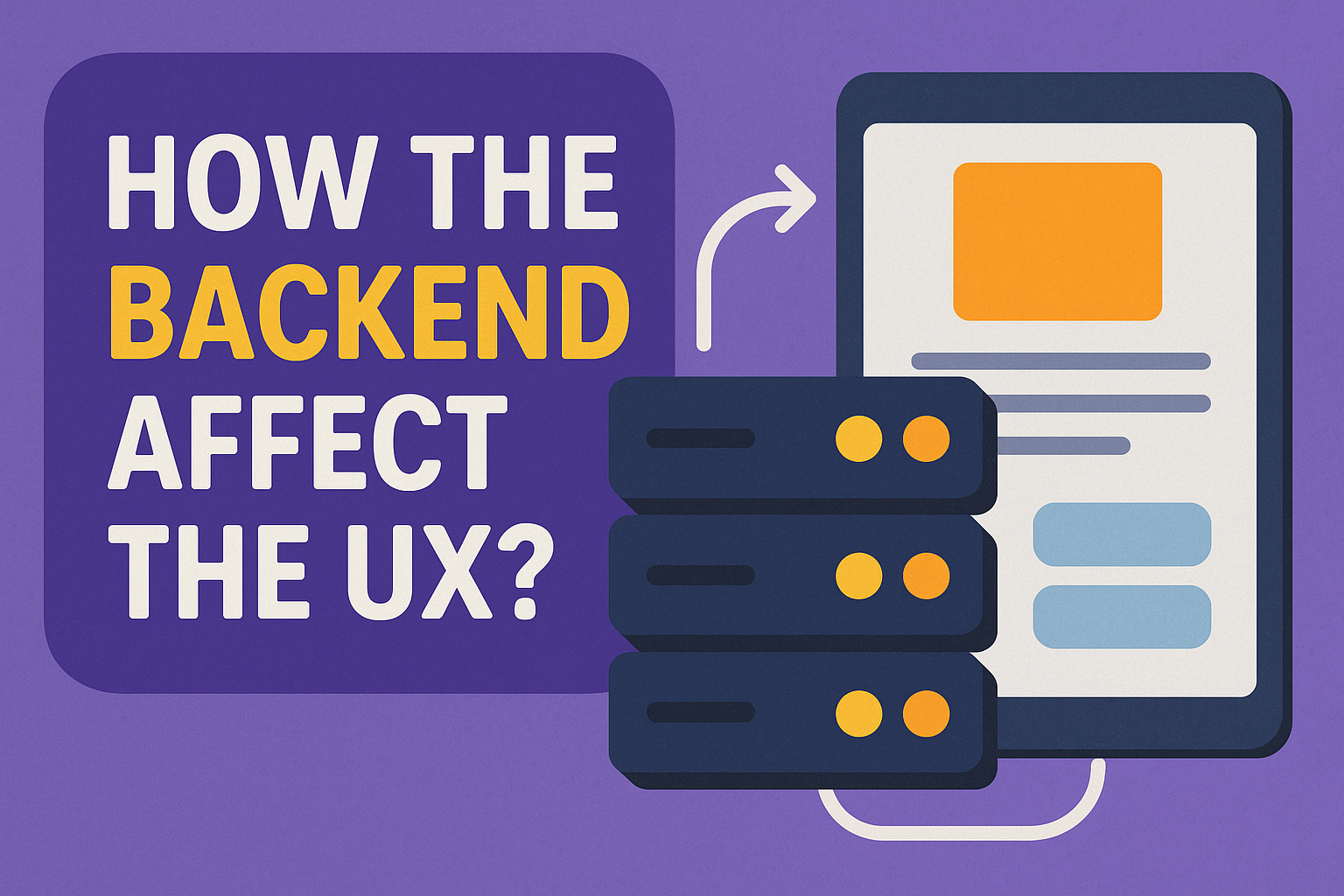
Backend Optimization Techniques to Reduce Latency and Improve UX

A fast backend is key to great UX. In this post, we share practical techniques we use at TLVTech to reduce latency, improve performance, and keep users moving smoothly.

Read blog post

AI Simplified: Exploring Machine Learning and Deep Learning

- Machine learning is a type of artificial intelligence that learns from data, whereas deep learning, a subset of machine learning, sorts data in layers for comprehensive analysis. - AI is technology that mimics human cognition, machine learning lets computer models learn from a data set, and deep learning uses neural networks to learn from large amounts of data. - Convolutional Neural Networks (CNNs) are crucial in both machine learning and deep learning. They enable image recognition in machine learning and help deep learning algorithms understand complex features in data. - Machine learning offers quick learning from limited data, like Spotify's music recommendations. Deep learning, utilized in complex tasks like self-driving cars, uses artificial neural networks to analyze large data sets. - The future of machine learning and deep learning is promising, with machine learning predicted to become more superior in deciphering complex data patterns and deep learning providing possibilities for processing large volumes of unstructured data.

Read blog post

Full Stack Developer vs Software Engineer

- Full Stack Developers and Software Engineers are key roles in tech, focusing on different areas. - Full Stack Developers design user interactions, build servers for website functionality, create APIs and databases. - They're well-versed in both front and back-end development using languages like HTML, CSS, JavaScript, Python or Ruby. - Software Engineers focus on computer software development; they design systems, oversee testing, and maintain software. - Skills include coding languages like C++, Java, Python, design methodologies, algorithm development, and data structure. - Both roles require project management and soft skills, along with technical expertise. - Median US salary is $109,770 for Full Stack Developers and $92,046 for Software Engineers. - Deciding between the two involves considering passion, background, education, and long-term career plans. - Full Stack Developers are seen as capable of handling various tasks, while Software Engineers are viewed as specialists in building or maintaining software systems.

Read blog post

Contact us

Contact us today to learn more about how our Project based service might assist you in achieving your technology goals.

Thank you for leaving your details

Skip the line and schedule a meeting directly with our CEO
Free consultation call with our CEO
Oops! Something went wrong while submitting the form.